
BE INFORMED
OUR FAMILY LAW BLOG IN PERTH
GET INFORMATION
Biddulph & Turley has been practising family and probate law for decades. Read our blog posts about different aspects of the law to learn a little more below, then call us to set an appointment if you need advice.

How long do probates in Perth take? Learn the WA Supreme Court timeline, common delays, and capped-fee help from Biddulph & Turley. Call now on 08 9398 5533.

Loved one died before signing their will? A WA Supreme Court decision shows an unsigned draft can still go to probate. Call Biddulph & Turley.
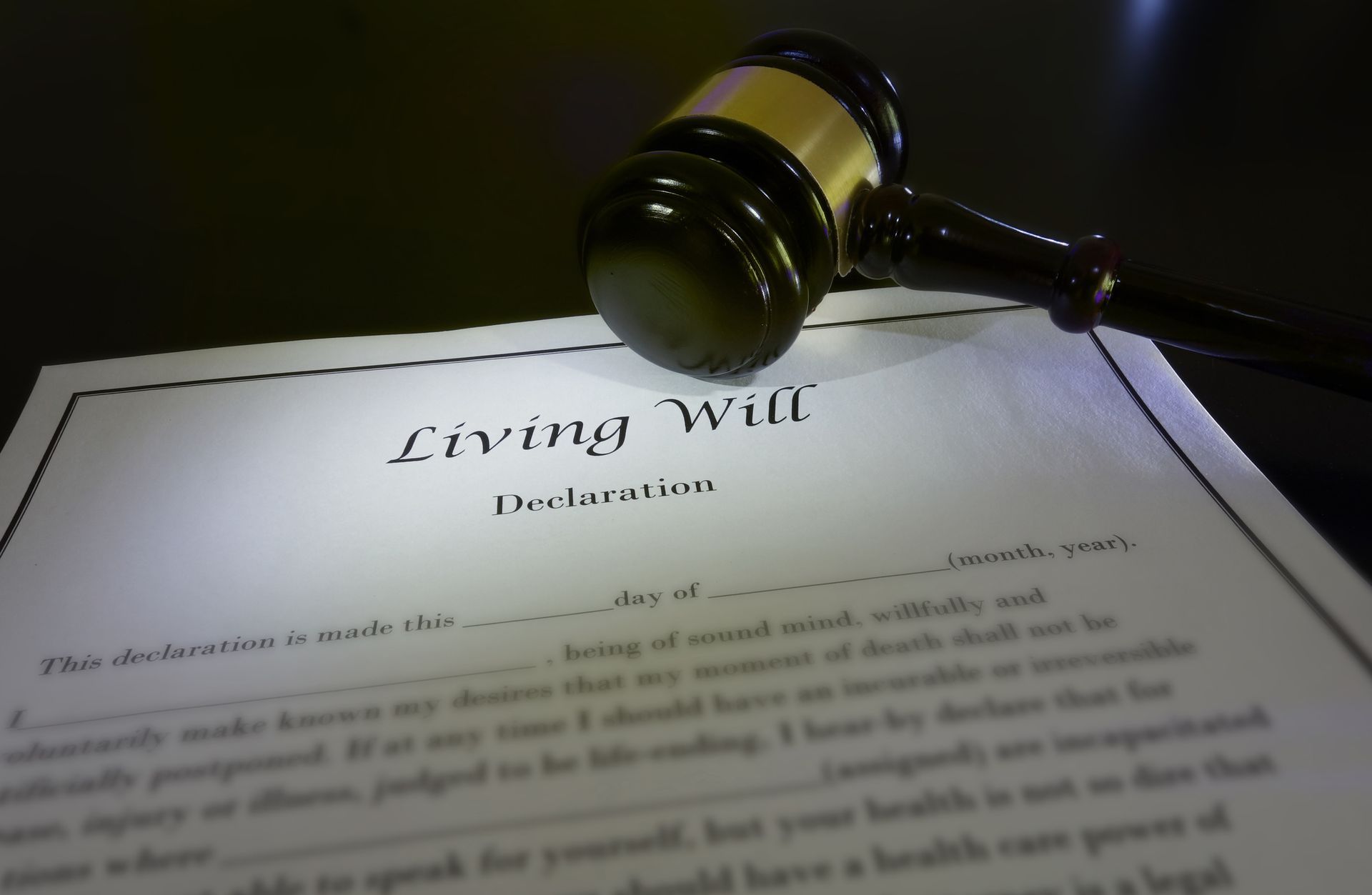
Will changed late in life under pressure? Learn the grounds to challenge a will in WA and why you must act before probate. Call Biddulph & Turley.

Brother contesting the will? Learn your rights as a beneficiary under the Family Provision Act in WA and how to respond. Call Biddulph & Turley.

Received a Family Provision Act claim as executor? Learn why to hold off distributing the estate and how to protect yourself. Call Biddulph & Turley.

Father left everything to a new partner? Learn how Family Provision Act claims work in WA and the six month time limit. Call Biddulph & Turley today.
Case Summary: When a Note Isn’t a Will Imagine this scenario: After a loved one passes away, a note is discovered—perhaps on their phone, in a drawer, or scribbled on a piece of paper. The note sets out some wishes about who should inherit their assets. Family members hope this note will be accepted as the person’s will. But when the matter goes to court, the judge decides the note is not a valid will. This situation is more common than many realize. In a recent case, a note titled “Last Will” was found on the deceased’s phone. While it expressed some intentions about distributing the estate, the court refused to accept it as an “informal will.” Why? In the case of Gallotti v Galotti-Brown [2025] WASC 384 a handwritten ‘amendment’ was written on a duly executed will. Was this amendment part of the will? Why the Note Was Not Accepted Australian law (and the law in many other places) allows courts to accept a document as an “informal will” even if it doesn’t meet all the usual requirements (like being signed and witnessed). But the court must be convinced of three things: There is a document. The document sets out the person’s testamentary intentions (what they want to happen to their property after death). Most importantly: The person intended the document to operate as their will. In the case above, the court found that the note was more of a draft or a statement of wishes—not a final, operative will. There was no evidence the deceased intended the note to be their last will and testament. The absence of a signature, witnesses, or any indication that the note was meant to be final all counted against it. The Dangers of Informal Wills Relying on informal documents—like notes, emails, or unsent text messages—to express your final wishes is risky. Here’s why: Uncertainty: Courts may not accept the document, leaving your estate to be distributed according to the law, not your wishes. Family Disputes: Ambiguous or informal documents can lead to costly and stressful legal battles among loved ones. Delay and Expense: Proving an informal will is often more complicated, time-consuming, and expensive than preparing a formal will. How to Protect Your Wishes Make a Formal Will: The safest way to ensure your wishes are followed is to make a formal will, properly signed and witnessed. Review Regularly: Update your will as your circumstances change. Seek Legal Advice: A qualified lawyer can help you avoid pitfalls and ensure your will is valid. Don’t leave your legacy to chance. A simple note may not be enough—take the time to make a proper will and give your loved ones certainty and peace of mind.
For expert advice on updating wills in Perth, contact Biddulph and Turley today. Visit our website to learn more.

Discover how to choose the right executor for your will in Perth, WA. Click here for essential tips and guidance from the experts at Biddulph & Turley.
In recent years, the rise of technology has made it easier than ever to create, store, and even amend important documents like wills. Many people assume they can simply jot down their wishes on their phone or leave a note in a digital app, believing this to be sufficient for estate planning. However, legal cases such as Peek v Wheatley [2025] NSWSC 554 highlight the dangers of informal, unprofessional will-making—especially when using a device like an iPhone. The Case at a Glance In Peek v Wheatley, the court examined whether a note found on the late Colin Peek’s iPhone could be considered a valid informal will under the NSW Succession Act 2006. The note, titled ‘Last Will of Colin L. Peek,’ was discovered after his death, and it appeared to specify how his estate should be distributed—primarily passing significant assets to a friend and executor, Mr Wheatley. However, the court faced the challenge of determining whether this digital note truly represented Colin’s testamentary intention—that is, whether it was his clear, deliberate wish to dispose of his estate as stated, with the intention for it to have immediate legal effect. When Will a Document Be Accepted as an Informal Will? In most Australian States, a document that does not meet the formal requirements of a will (such as being signed and witnessed) can sometimes still be accepted as a valid "informal will" if certain criteria are met. The key questions are: Did the deceased intend the document to operate as a will? Was the document clearly intended to dispose of the estate? Did the document demonstrate a genuine testamentary intention? In Peek v Wheatley, the court examined whether the note on the iPhone was created with the intention for it to serve as the deceased’s final testament. The court recognized that while the note contained the deceased’s wishes, it was unclear whether the document was intended to take effect, without more (that is without the will making doing anything else). It was possibly a “working document” or a ‘dry run’ that might be amended later by the will maker or simply a document that he intended to pass on to his solicitor to prepare a will based upon it. The Pitfalls of Informal, Digital Wills This case underscores why relying on informal methods—such as notes on a smartphone—is perilous: Lack of Formalities: A valid will typically requires signatures, witnesses, and clear language. Digital notes often lack these formalities, making their validity uncertain. Ambiguity of Intent: A casual note or message may not conclusively demonstrate the testator’s intention for the document to be their final will, especially if created in a moment of emotion or without legal advice. Potential for Disputes: Informal documents are more easily challenged, leading to costly and time-consuming court disputes, as seen in this case. Risk of Misinterpretation: Digital notes can be vague or incomplete, and their meaning can be misinterpreted, especially if they are not drafted with legal precision. Why You Should Have a Lawyer Prepare a Formal Will The Peek v Wheatley case exemplifies the importance of engaging a qualified lawyer to draft your will. A lawyer ensures that your testamentary wishes are clearly articulated, legally valid, and less susceptible to challenges. They will: Use precise language to avoid ambiguity Follow all legal formalities (signatures, witnesses) Provide advice on estate planning tailored to your circumstances Minimize the risk of intestacy or disputes after death Final Thoughts While it might seem convenient to jot down a quick note on your iPhone or leave a casual message, this approach is fraught with legal uncertainty. The law prefers formal, properly executed documents to ensure your wishes are respected and to minimize disputes among your loved ones. If you want your estate to be distributed according to your wishes, consult a qualified estate planning lawyer. They will craft a robust, legally sound will that stands up in court and provides peace of mind for you and your family. Disclaimer: This article is for informational purposes only and does not constitute legal advice. For personalised estate planning assistance, please contact a qualified lawyer. Would you like me to help you draft a tailored legal will or provide further information?